Importers asking about tomato paste price usually want the same thing: to understand why one offer and another differ so much before they compare them. The cost of paste is built from raw material, concentration, the format it is packed in, and how the order travels.
The raw material and the season
Tomato paste starts as fresh tomatoes, and fresh tomatoes are a crop. The volume and quality of a harvest change from one season to the next, and so does the price processors pay for the fruit that goes into the line. A year with a short harvest pushes raw material costs up; a heavy harvest can ease them. Because paste is made in a concentrated form and stored, the cost of the fruit purchased during the processing window stays inside the product that ships later.
Harvest timing matters as well. Tomatoes arrive at the plant over a limited number of weeks, and the plant runs hard during that window. Energy, labour and handling are all drawn into a short period, and the cost of running a plant at full stretch during harvest is part of what a buyer eventually pays for. Buyers who plan their year around the processing calendar rather than against it usually find the conversation easier.
Weather is the factor no one controls. Heat, rain and the timing of both affect yields and the solids content of the fruit, and that in turn affects how much raw material is needed to reach a given concentration. This is why prices for the same specification can move between one season and the next even when nothing else about the order has changed.
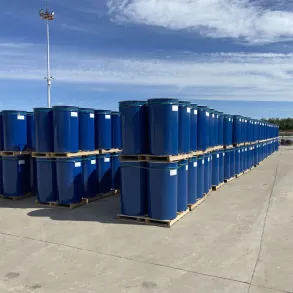
Concentration costs more
Paste is tomato with much of the water taken out. The higher the concentration, the more fresh tomatoes are needed for each unit of finished product, and the more water has to be evaporated away. Both sides of that equation cost money: raw material on one side, energy and evaporation time on the other. A double concentrated paste and a single concentrated paste are therefore not the same product with a different label; they carry different amounts of raw material and processing.
Concentration also changes what you are paying to move. A denser paste carries less water per unit, so the cost of the product and the cost of moving it do not scale in the same way. Buyers weighing concentration against their own use should compare the delivered cost of the paste they actually need, not only the price of the unit on the offer sheet.
The listed tomato paste titles include "Manufacturer price 400g 800g Tomato Paste sachet canned", "Manufacturer 220L Tomato Paste in drum" and "High Quality Easy Open Double Concentrated Tin Tomato Paste 28-30% Brix in Canned", alongside the wider canned range.
Format and packing
The container a paste is packed in carries its own cost. A sachet, a tin and a drum each use different materials, different filling equipment and different handling along the way. Small retail units need more packing material and more line time per tonne of paste; bulk formats use less packing per unit of product but need different handling and filling arrangements. None of these differences is large on its own, but together they explain a good part of why two offers for the same paste do not match.
Packing also decides how the goods behave in storage and in transit. A retail tin has to arrive undamaged and presentable; a drum is handled as a bulk input. The protective packing, the pallet pattern and the care taken at each transfer step all follow from the format choice, and each of them is a cost line.
Formats in the listed range cover retail and bulk use, from sachets and tins to drums. Buyers can review the range on the tomato paste page and match the format to how the product will be sold or used.
For buyers comparing formats, the practical step is to ask for a specification sheet for each format under consideration, so the packing, unit and handling details can be set side by side before any price discussion begins.
Order planning and freight
Delivered cost is not the same as product cost. How an order is built affects what it costs to move: a full container loaded with one item is planned differently from a mixed load that combines several products, and the way the pallets and cartons stack determines how much of the container is used. Buyers who can be flexible about how an order is composed often get more out of each shipment.
Destination and shipping conditions shape the freight side as well. Distance, route, port handling, transit time and the conditions the cargo meets on the way all feed into the rate. Canned goods are heavy for their volume, so freight is a meaningful share of the landed cost and worth planning carefully rather than treating as an afterthought.
Order planning also interacts with production. A buyer who confirms the specification and the shipping window early gives the supplier room to schedule the run and the packing to suit. Leaving format or packing decisions until late tends to narrow the options and can add cost at the port end.
How to get an actual quotation
The factors above explain why prices differ, but they do not produce a number for a specific order. To get a quotation, describe the product and the shipment. Useful details include the tomato paste format and concentration you need, the unit size, the packing, the quantity you plan to order, the destination port and the period you want to ship in. With those in hand, a supplier can respond to the actual requirement instead of a general enquiry.
Enquiries can be sent through the enquiry form at /inquiry/ or by email to [email protected]. Buyers who are still deciding between formats can ask for a sample or a specification sheet first, then move to a quotation once the specification is fixed.
Certificates available upon request.
Our export range covers ketchup, tomato sauce, tuna, sardines, mackerel, seasonings, green beans and kidney beans, so a mixed order can be discussed alongside the tomato paste requirement.
Enquire for a Quotation
Importers are welcome to enquire for a quotation for their specification.