Brix is the figure buyers and sellers use to describe how concentrated tomato paste is. It comes up in offers, price comparisons and specification documents, and it is worth understanding before you settle on a product for your market.
What Brix Measures
Brix is a measure of soluble solids in a liquid, expressed in degrees. In tomato paste it indicates how much of the water has been removed during concentration. The soluble solids include the natural solids of the tomato itself, so a paste with a higher Brix reading has less water and more tomato material per unit of weight.
The measurement is normally taken with a refractometer, either in the factory as the paste is cooked down or in a laboratory on a sample of finished product. A Brix reading states, roughly, the share of dissolved solids in the paste: the higher the reading, the larger that share. The term is a concentration indicator, not a flavour grade or a quality score.
Buyers should keep in mind that Brix tells you about solids, not about everything in the tin. It says nothing about how the tomatoes were prepared, the variety used or the processing conditions. Two pastes with the same Brix reading can behave differently in a kitchen or a factory line.
It also helps to separate hot break from cold break before you read too much into a figure. Hot break paste is heated quickly at the start, which sets colour and body; cold break paste is treated more gently and tends to keep a fresher tomato taste, with the trade-off in viscosity. The Brix number alone does not tell you which process was used.
Why Concentration Changes Cost and Use
Higher Brix means less water in the product. Water is cheap to remove but expensive to ship, so concentration is one of the clearest links between the price of a paste and what the buyer actually receives. A more concentrated paste can work out cheaper per unit of finished sauce than a thinner one, even when the price per tin looks higher.
The practical effects show up at the mixing stage. If you are making ketchup, sauce, soup or pastes for a local brand, a more concentrated product allows more dilution and gives you more room in the recipe. A lower-Brix paste leaves less scope for adding water before flavour and body start to suffer.
Concentration also affects texture and sweetness perception. As water is removed, the solids and natural sugars become more prominent. A high-Brix paste can be more robust in long cooking and more stable in a blended sauce, while a lower-Brix paste may suit products where a lighter, less reduced character is wanted.
Packaging and handling follow the same logic. Concentrated paste takes up less space for the same amount of tomato solids, which matters when you are planning container loads and warehouse capacity. The buyer who compares only the tin price, and not the Brix behind it, is not comparing equivalent goods.
One caution: Brix is not the same as the tomato content labelled on some packs. Two suppliers may use different reference points, and a figure that looks low on one offer may reflect a different measurement convention on another. Ask what the Brix value refers to and how it is tested before you set it against a competing offer.
How Importers Use Brix in a Specification and an Enquiry
A written specification is the place to fix Brix. State the range you will accept, the method by which it should be measured, and the point in the process where the sample is taken. If you are buying for a brand owner, check whether their own standard is expressed in Brix or in another unit before you pass the requirement on.
Put Brix next to your other requirements rather than on its own. Packaging format, tin size, closure type and the intended end use all interact with concentration. A paste packed for a food service customer and a paste packed for retail shelves may carry different Brix levels even when they come from the same production line.
When you send an enquiry, give the supplier your target Brix range, the pack format and the market you serve. Ask for the Brix value of the specific product on offer and for the test method used. Ask whether the product can be supplied to your range, and request a product specification sheet and a sample so you can check body, colour and behaviour in your own process.
Be careful with offers that quote a Brix figure without naming the product. A number in a price list is not useful until you know which pack and which specification it belongs to. The same supplier may hold several tomato paste lines at different concentrations, and the buyer needs the figure tied to the exact product.
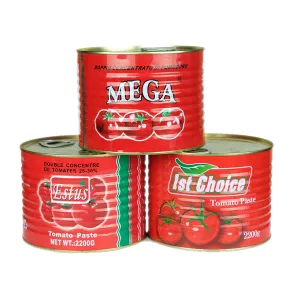
One listed product is titled High Quality Easy Open Double Concentrated Tin Tomato Paste 28-30% Brix in Canned. Buyers comparing offers should ask for the specification sheet for the exact item they intend to order.
Sachet and drum formats also appear in the product range, including Manufacturer price 400g 800g Tomato Paste sachet canned and Manufacturer 220L Tomato Paste in drum. These are listed titles for tomato paste formats the supplier offers; buyers should request the specification sheet for the format and Brix range they need. You can also read more about double concentrated tomato paste and how to choose tomato paste before you finalise your enquiry.
If you are comparing offers from more than one supplier, build a small comparison sheet. List the product title, the Brix figure quoted, the test method and the pack format side by side. This keeps you from comparing a concentrated paste against a diluted one and drawing the wrong conclusion about price. General market practice is that the cost of tomato solids drives the deal, so the figure deserves a line of its own.
Importers who handle several markets often keep two or three Brix ranges in their portfolio so they can serve different price points and different end products. Ask your supplier which ranges are produced and how they are packed. Where a hard fact about the product is needed, request a quote, a sample or a specification sheet rather than relying on a general figure.
Getting a Clear Answer on Brix
Brix is a simple idea with real commercial weight: it tells you how concentrated the paste is, and concentration drives how far the product goes, how it performs in your recipe and what it costs per unit of tomato solids. Read it carefully, tie it to a specific product and put it in writing in your specification.
For tomato paste enquiries, send your target Brix range, pack format and destination market through the enquiry form at /inquiry/ or by email to [email protected]. Include the specification sheet and sample request so the offer you receive matches the product you intend to buy.
Certificates available upon request.
Please confirm the minimum order quantity with the supplier before placing an order.
Please confirm the lead time with the supplier before placing an order.
Enquire for a Quotation
Importers are welcome to enquire for a quotation for their specification.