Retail buyers ask which canned sardines are best, and the honest answer depends on the shelf they are filling. For importers serving African retail, the selection turns on format and medium, pack size and shelf position, then the enquiry itself.
What 'Best' Means for a Retail Buyer
For a shopper, best is a matter of taste and habit. For a retail buyer, best is a narrower question: which canned sardine specification will sell through at the price the shelf can carry, in the pack size the shopper reaches for, without leaving slow stock behind. That question is answered with a short framework, not a ranking.
A practical framework looks at four things in order: the format and medium in the can, the pack size and where it sits on the shelf, the price point the channel can support, and whether the supplier can match the specification consistently across repeat orders. Each decision narrows the next, so it pays to settle them in that order rather than starting from a brand name or a single price offer.
Sardines are a volume category in many African retail markets because they store without refrigeration before opening and fit a range of meal occasions. That makes them a staple line rather than a novelty one, and staple lines are chosen on reliability of supply and fit with the shopper, not on packaging novelty alone.
Format and Medium Decisions
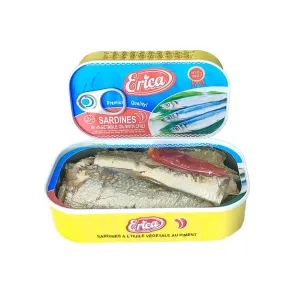
The first decision is the medium: what the fish is packed in. Vegetable oil, tomato-based sauces and spiced or chilli dressings each sell to a different shopper and each carries its own cost structure. Vegetable oil is a neutral base that suits shoppers who dress the fish themselves at home. A spiced or chilli medium appeals to buyers looking for a ready-flavoured product. Tomato-based sauces sit closer to a prepared dish and can compete with other canned prepared foods on the same shelf.
The second decision is the format: the style of the fish in the can, the packing arrangement and the lid type. A plain easy-open lid lowers the barrier for a shopper without a can opener and is common in retail packs. A standard lid suits larger packs and food-service use. Buyers should match the lid to how the product will actually be opened in the home or kitchen it is sold into.
Medium and format interact with price. A spiced medium or a prepared sauce usually costs more to produce than plain vegetable oil, and that cost moves through to the shelf price. A buyer who needs the lowest entry price in the category should look first at plain vegetable oil packs in the simplest format that still meets shopper expectations.
Pack Size and Shelf Positioning
Pack size decides who buys the product and how often. Small single-serve cans suit one-meal households, quick top-up shopping and price-point promotions. Larger cans suit families, shared meals and shoppers who cook in bulk. A retail range often carries more than one size so that the category covers both the everyday buyer and the value buyer.
Shelf position follows pack size. Small cans belong at eye level in the canned fish section where they can be picked up on impulse. Larger cans sit on lower shelves and appeal to planned shopping. If the shelf is shared with other canned fish, the sardine line should be placed where the shopper already looks for it rather than in a separate area.
Price point is a positioning choice, not only a cost. A buyer can position the sardine line as the value entry to canned fish, as a mid-shelf staple, or as a premium spiced product. Each position needs a different pack presentation and a different conversation with the supplier about specification and volume. The right answer depends on the shoppers the store already serves and the price band the shelf can hold.
Channel fit ties the decisions together. Neighbourhood shops and kiosks usually need small packs and low unit prices. Supermarkets can carry a wider range of sizes and media. Food-service buyers look for larger packs and consistent supply. A buyer serving more than one channel may need more than one specification from the same supplier, which is easier to arrange when the range is agreed at the start.
The Listed Sardine Titles as the Enquiry Starting Point
Hebei Erican Enterprise Ltd. lists sardines within its canned fish coverage, alongside ketchup, tomato sauce, tuna, mackerel, seasonings, green beans and kidney beans.
The sardine titles below are the starting point for an enquiry. Quote the full title in your message so the specification you are asking about is clear.
- Manufacturer Canned spicy Sardine in Vegetable Oil
- Factory price Canned Sardine in Vegetable Oil
- Manufacturer 125g Canned Sardine in Vegetable Oil
A buyer can use these titles to frame the questions that matter: which medium fits the shelf, which pack size matches the channel, and what the supplier needs in order to quote. A specification sheet and a sample are the usual next steps before a first order.
From Selection to Enquiry
Once the format, medium, pack size and shelf position are settled, the remaining work is the enquiry. Send the full product title, the pack size you want, the market you serve and the channel you sell into. Ask for a quotation and the specification for the line you have chosen.
Certificates available upon request.
Please confirm the minimum order quantity with the supplier before placing an order.
Please confirm the lead time with the supplier before placing an order.
Hebei Erican Enterprise Ltd. is a Verified Supplier on Alibaba.
To request a quote, a sample or a specification sheet for the sardine line, use the enquiry form at /inquiry/ or email [email protected].
Enquire for a Quotation
Importers are welcome to enquire for a quotation for their specification.